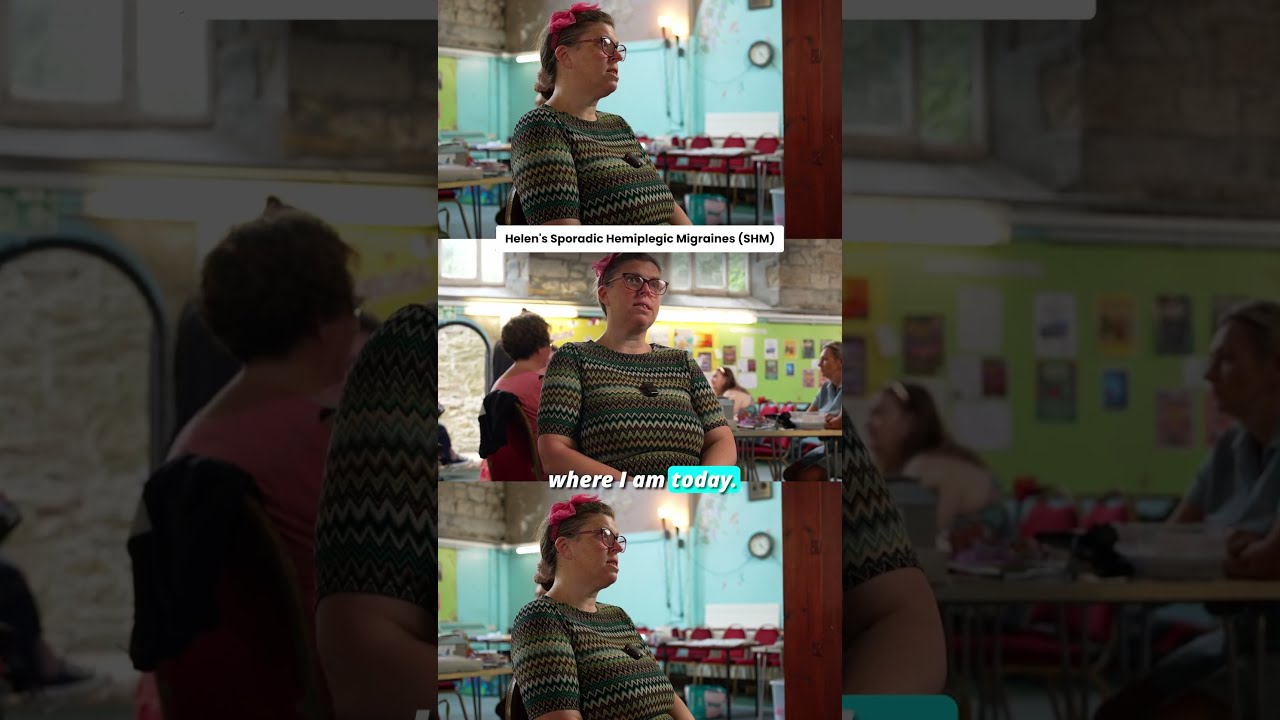
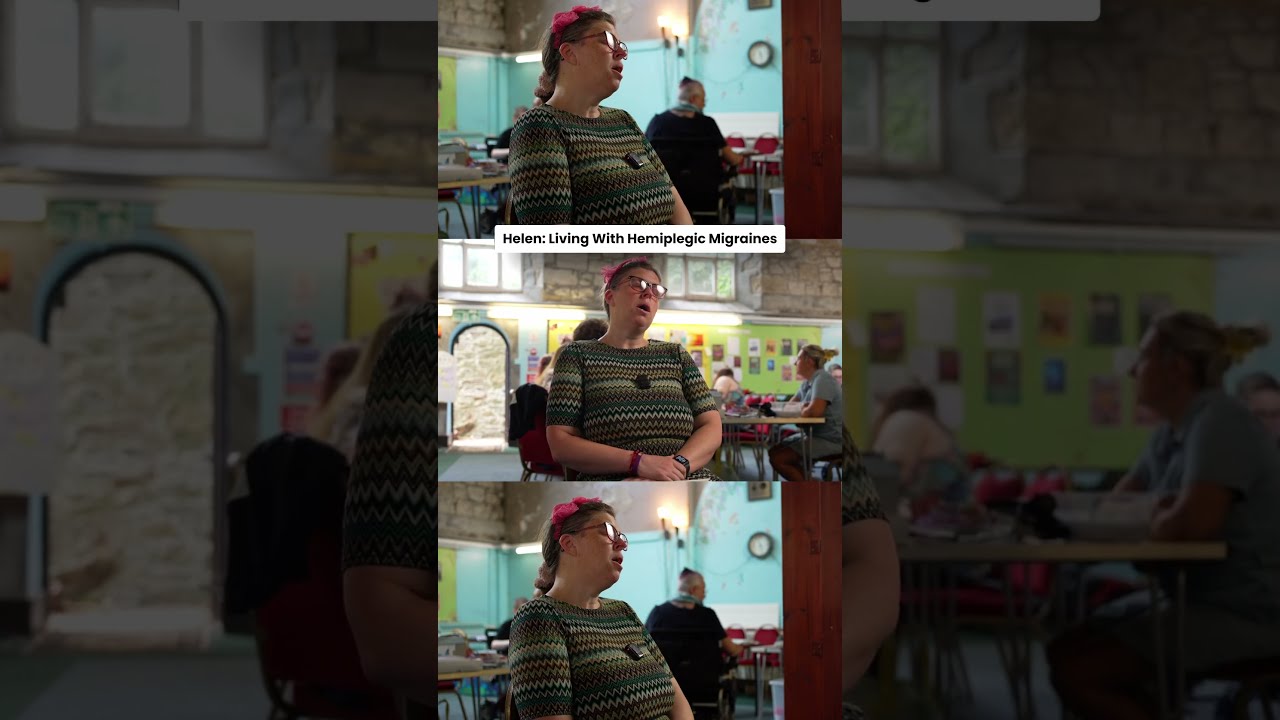
I truly believe that by connecting, we can make this journey a little less isolating.
Helen Maddock
Six years ago, my life took an unexpected turn. I started experiencing debilitating migraines that quickly escalated. After reaching out to my doctor, I was sent to see a neurologist—little did I know, this was just the beginning of a challenging journey.
The very next day, I was at Derriford Hospital, explaining the intense pressure in my head. After some tests, I was diagnosed with Sporadic Hemiplegic Migraine, a rare condition that mimics the symptoms of a stroke. At first, I had never heard of it, and it terrified me.
Since then, I’ve battled through some excruciating hemiplegic migraines, tried countless treatments (including Botox), but nothing has worked so far. This year, I finally found hope by connecting with a support group dedicated to others facing the same challenge.
Now, my goal is simple: to raise awareness and offer support to others struggling with this rare condition. There’s not enough help out there, and I’m determined to change that—because no one should face this alone.
If you live with this condition or know someone who does, I would love to chat with you or them. Please feel free to look me up on Facebook together, maybe we can find some comfort, share experiences, or even just lend a listening ear. I truly believe that by connecting, we can make this journey a little less isolating.
What is a Hemiplegic migraine?
Hemiplegic migraine is a rare type of migraine that causes temporary weakness on one side of the body. It’s often accompanied by sensory, visual, or speech problems.
Types
- Familial hemiplegic migraine (FHM): A type of hemiplegic migraine that runs in families. If a parent has FHM, their child has a 50% chance of inheriting it.
- Sporadic hemiplegic migraine:
A type of hemiplegic migraine that occurs in people without a family history of the condition.
Symptoms
- Weakness, numbness, or paralysis on one side of the body
- Visual changes, such as blind spots, flashing lights, or double vision
- Difficulty speaking or understanding speech
- Loss of balance or coordination
- Dizziness
- Confusion
- Fever
Triggers
- Stress
- Changes in sleeping patterns
- Physical exertion
- Head trauma
- Bright lights
- Certain foods or changes to eating patterns
Helen in Her Own Words
Helen’s life changed when debilitating migraines escalated fast. Within a day of seeing a neurologist she was in hospital, and she was diagnosed with Sporadic Hemiplegic Migraine, a rare condition that can mimic a stroke. She’d never heard of it, and it terrified her. She’s since tried countless treatments, Botox included, and nothing has worked so far.
What did help was finding a support group of people facing the same thing.
Helen's Story
1:05
1:19
6:05
Helen shares what it is like to live with sporadic hemiplegic migraine (SHM) in this short video
Helen talks about speaking to a GP, asking about a referral to a neurologist and coping with long waiting lists. Most importantly, she explains how much it means to find supportive people who genuinely understand, after once feeling that she had no support at all.
The full story of living with sporadic hemiplegic migraine (SHM). Sporadic hemiplegic migraine is a type of hemiplegic migraine diagnosed in people without a known family or inherited connection to the condition. Attacks can cause frightening symptoms that resemble a stroke.